Converting a Home Into a Group Home in South Florida

What Homeowners Need to Know About Occupancy Changes and Life Safety
Converting a single-family home into a group home or assisted living style residence is common across South Florida. We see this often in Miami-Dade, Broward, and Palm Beach counties, especially in established residential neighborhoods.
What many homeowners underestimate is that this is not just a remodel. It is a legal change of occupancy, and that shift triggers real implications for permitting, inspections, and life safety systems like fire sprinklers.
This guide walks through what actually changes, where projects go wrong, and how to plan it the right way from the start.
What Is a Change of Occupancy and Why It Matters
A change of occupancy happens when a building’s use changes under the Florida Building Code and the Florida Fire Prevention Code. A typical single-family residence is classified very differently than a group home, adult family care home, or assisted living residence.
Once the use changes, the building must meet the life safety requirements of the new occupancy. The city and fire marshal will not treat the home the same way anymore.
Common triggers include:
Housing unrelated residents
Providing supervision or care
Charging rent as a program or service
Increasing occupant load beyond normal residential use
Once this happens, the project is reviewed as a commercial or institutional occupancy, even if it still looks like a house.
Life Safety Implications You Cannot Ignore
This is where most projects stall or fail inspections.
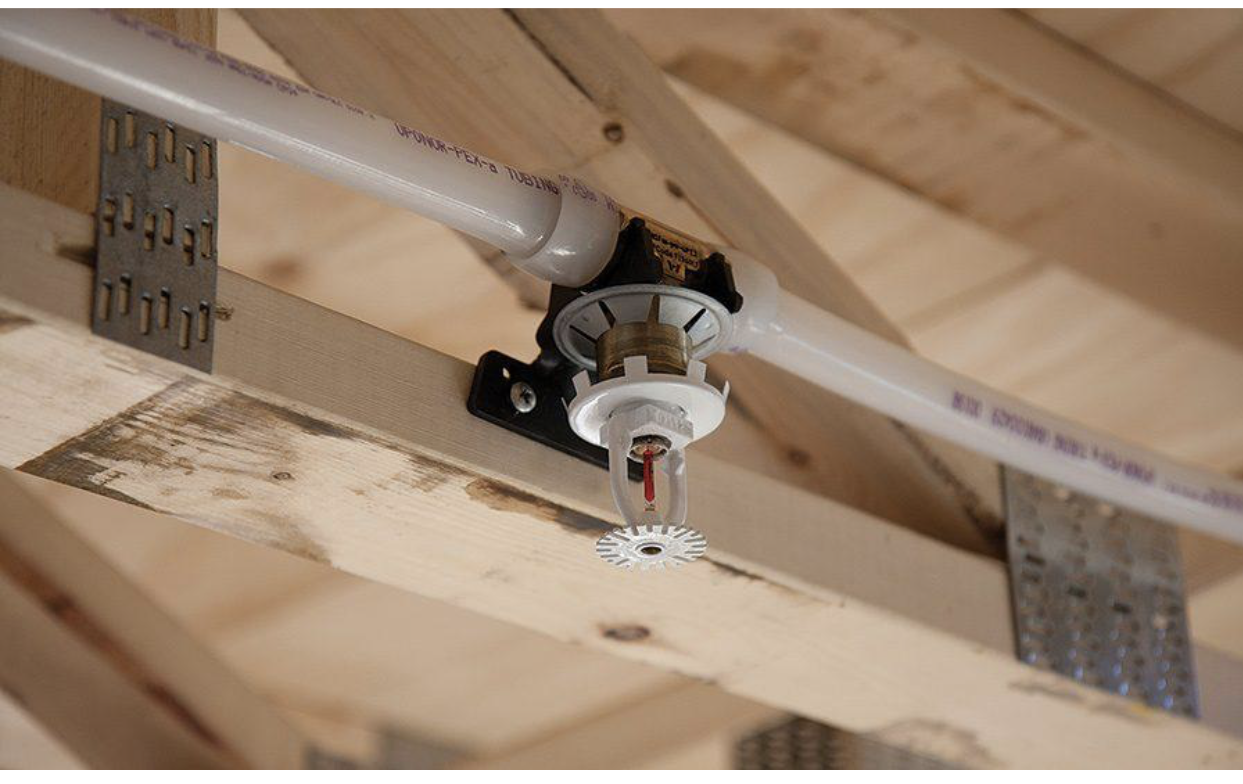
Fire Sprinkler Requirements
Depending on the size, number of residents, and level of care, the fire marshal may require a fire sprinkler system designed under NFPA 13 or NFPA 13R. In many assisted living and group home scenarios, sprinklers are mandatory, not optional.
Key points homeowners miss:
Existing homes rarely meet sprinkler coverage requirements
Partial or phased sprinkler installs are usually rejected
Water service upgrades are often required
Attics, common areas, corridors, and sleeping rooms are scrutinized
If sprinklers are required, they must be permitted, designed, installed, tested, and approved just like any commercial system.
Fire Alarm and Detection
Smoke detection alone is often not enough.
You may be required to install:
A monitored fire alarm system
Manual pull stations
Audible and visible notification devices
Emergency power or battery backup
Means of Egress and Interior Modifications
Expect requirements for:
Corridor widths
Door swing direction
Emergency lighting
Exit signage
Fire-rated walls and ceilings
Limited dead-end corridors
This is where drywall, framing, and ceiling changes drive cost quickly.
Permitting in South Florida Is Not DIY Friendly
Group home conversions are not over-the-counter permits.
You are dealing with:
Building department plan review
Fire marshal review
Zoning confirmation
Health department oversight in some cases
Utility coordination if water flow upgrades are needed
Missing one trade or submitting incomplete plans almost guarantees delays.
Two Common Ways Homeowners Approach These Projects
Option 1: Hire a General Contractor to Run the Entire Project
This is the most common route we see.
A qualified GC handles:
Master permitting
Coordination with architects and engineers
Scheduling subcontractors like drywall, excavation, utility tap-ins, painting, and fire protection
Inspections and close-out
Pros:
One point of responsibility
Faster coordination when done right
Less homeowner involvement day-to-day
Cons:
You pay a premium for project management
Pricing is less transparent
Change orders can add up quickly
This option makes sense when time matters more than squeezing every dollar.
Option 2: Owner-Led with an Owner’s Rep or Direct Contractors
For smaller group homes or limited-scope conversions, some owners act as the project lead or hire an owner’s representative.
You deal directly with:
Fire sprinkler contractor
Fire alarm contractor
Drywall and framing crews
Utility and excavation contractors
Inspectors and plan reviewers
Pros:
More competitive pricing
Direct control over scope and vendors
Cost savings if managed well
Cons:
Time intensive
Requires coordination experience
Inspection failures fall on you
Delays can cost more than the savings
This approach only works if you account for your time as a real cost in the analysis.
Fire Sprinklers Are Often the Critical Path
In South Florida group home conversions, fire sprinkler compliance is often the longest lead item.
Why:
Design approval takes time
Water flow tests may require city coordination
Underground work can trigger additional permitting
Inspections are sequential and strict
Waiting until late in the project to address sprinklers is a mistake we see repeatedly. If sprinklers are required, they should be evaluated before drywall, ceilings, or finishes begin.
Common Mistakes That Cost Homeowners Money
Assuming residential rules still apply
Skipping early fire marshal consultation
Hiring contractors without group home experience
Underestimating water service upgrades
Trying to phase sprinkler installation
Treating inspections as a formality
South Florida AHJs do not negotiate life safety requirements.
How to Plan This the Smart Way
If you are considering converting a home into a group home, start here:
Confirm the intended occupancy classification
Verify zoning allows the use
Engage professionals familiar with group home life safety
Determine early if sprinklers are required
Choose between a GC-led or owner-led approach based on time and risk tolerance
Doing this upfront prevents redesigns, stop-work orders, and failed inspections later.
Final Thought for South Florida Homeowners
A group home conversion can be a solid investment or mission-driven project. It can also become a money pit if life safety is treated as an afterthought.
Fire sprinklers, alarms, and egress are not line items you can negotiate away. They are foundational to approval.
If you plan early and understand the implications of a change of occupancy, the project becomes predictable instead of painful.
If you want help evaluating whether your property will require fire sprinklers or what the fire marshal is likely to ask for in South Florida, that conversation should happen before permits are submitted, not after inspections fail.
Fill out the form below to contact us to schedule a consultation!