5 Year Fire Sprinkler Inspection Requirements: What the NFPA 25 Internal Pipe Assessment Finds in South Florida Systems
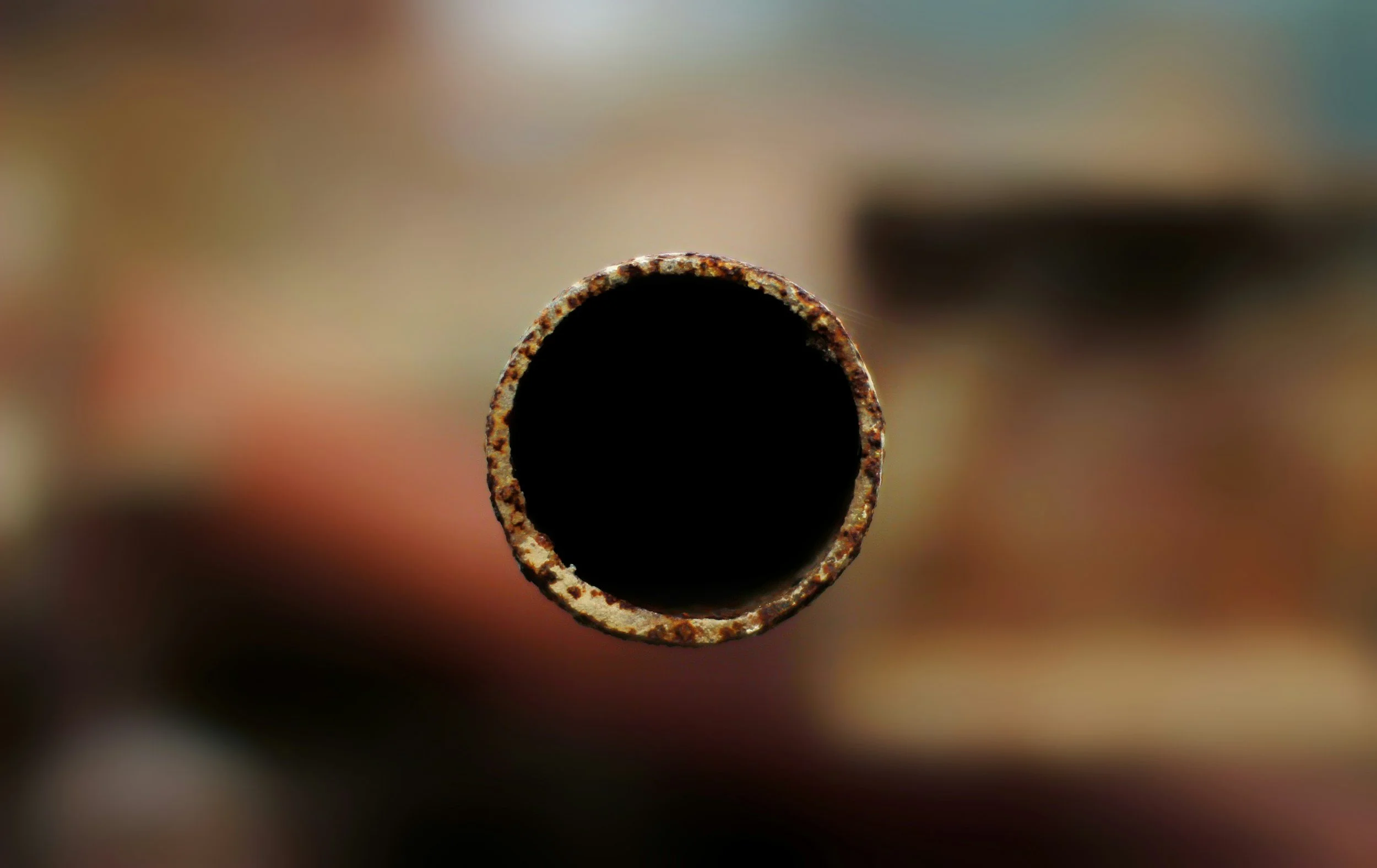
A technician removes a flushing connection at the end of a branch line in a 1990s office building in Coral Gables and finds the pipe nearly half blocked with black, layered scale. The system has passed its annual inspection every year. The gauges read normal, the alarms work, and the valves are open. None of that would have mattered in a fire, because the water could not have reached the heads at the far end of the line.
The 5 year fire sprinkler inspection requirements are the only items in the NFPA 25 schedule that look inside the pipe, and it is the item South Florida buildings skip most. It does not fit an annual budget, it requires opening the system, and many owners have never heard of it. Yet it has been required since NFPA 25 was first published in 1992.
This guide explains what the internal assessment is, what it finds, when it escalates to a full obstruction investigation, and how to get an overdue building back on schedule.
Why Annual Inspections Cannot See the Problem
The annual visit under NFPA 25 is almost entirely external. Technicians inspect heads and pipe from the floor, exercise valves, flow the main drain, and test alarms. Every one of those checks can pass while the inside of the pipe deteriorates.
Corrosion is silent until it is not. In a wet pipe system, trapped air at high points creates an oxygen-rich interface where steel corrodes. The result is tubercles, nodules of rust that grow inward and shed scale downstream. In dry and preaction systems, residual moisture at low points does the same thing. Neither produces a symptom on a gauge until a pinhole leak appears.
Obstructions accumulate from many sources. Scale, sediment from the municipal supply, debris left from the original installation, and microbiologically influenced corrosion (MIC) all narrow the pipe. The National Fire Sprinkler Association describes the internal assessment as a way to identify these conditions before they become impairments.
The main drain test is not a substitute. The main drain measures flow at the riser. It says nothing about a branch line two hundred feet away.
What the Five-Year Internal Assessment Actually Involves
NFPA 25 Chapter 14 requires an internal assessment of piping at least every five years. The NFSA explains that it is called an assessment rather than an inspection because the technician is judging whether there is enough foreign material to block sprinklers or piping, not simply looking.
Access points. The technician opens a flushing connection at the end of a main and removes a sprinkler at the end of a branch line, typically in the most remote area of the system. Additional points are examined on larger or older systems. The interior of the pipe is examined visually and, where appropriate, with a borescope.
What is recorded. The presence and type of material found: scale, sludge, sediment, organic growth, tubercles, or foreign objects. The condition of the pipe wall. Whether the material could obstruct sprinklers.
The decision. If the assessment finds sufficient foreign material, a full obstruction investigation is required. If it finds evidence of MIC or significant corrosion, further testing of the pipe and water is warranted. If it finds clean pipe, the result is documented and the next assessment is due in five years.
Speedy's five-year testing service schedules the internal assessment as a discrete item so that it does not get lost inside the annual visit.
When the Assessment Becomes an Obstruction Investigation
NFPA 25 lists conditions that require a full obstruction investigation regardless of the five-year cycle. Any of the following should prompt a call to a licensed contractor:
Defective intake screens on pumps drawing from open water sources
Discharge of obstructive material during routine water tests
Foreign material found in fire pumps, dry pipe valves, or check valves
Heavy discoloration of water during drain tests
Plugged sprinklers or piping found during a fire or an accidental discharge
Failure to flush yard piping or municipal mains after repairs
Record of broken public mains in the vicinity
Abnormally frequent false tripping of dry pipe or preaction valves
A system returned to service after an extended shutdown of more than one year
Pinhole leaks
A 50 percent increase in the time it takes water to reach the inspector's test connection on a dry system
A full obstruction investigation involves flushing and examining piping at multiple locations throughout the system, and it often leads to replacement of the worst sections. The 2026 edition of NFPA 25 revised Chapter 14 triggers for dry and preaction systems, including a delivery-time threshold, according to the NFSA's summary of proposed changes, and Florida enforces the edition adopted under the Florida Fire Prevention Code.
Why South Florida Systems Are at Particular Risk
The relevant factor is not weather. It is building age, water chemistry, and the number of dry systems.
Building stock. Much of Miami-Dade's commercial inventory dates from the 1970s through the 1990s. A wet pipe system installed in 1985 has had four decades for scale to accumulate, and if it has never had an internal assessment, its interior condition is unknown.
Dry and preaction systems. Parking garages, cold storage, and mission-critical spaces across Miami-Dade run dry or preaction systems, which corrode faster than wet systems because of the repeated wet-dry cycle at low points. Trip tests that refill the system with fresh oxygenated water accelerate the process, which is why nitrogen supervision has become common.
Municipal supply. Sediment from the public water system enters every time the main drain is flowed or the system refills after a test. Over years, it settles at low points and dead ends.
Consequence. A building that fails a fire because of obstructed pipe is a building whose owner cannot show an internal assessment record. Under Florida Statute 633.124, a fire code violation is a second-degree misdemeanor, and the Miami-Dade Fire Rescue checklist asks for ITM records that would include the five-year items.
How to Stay Ahead of the Five-Year Internal Assessment
First, find out when it was last done. Pull every inspection report you have and look for an internal assessment or obstruction investigation entry. If none appears in the last five years, or if you cannot find reports that old, the assessment is due now.
Second, schedule it as its own visit. The internal assessment requires draining sections of the system and reassembling them, which means it is an impairment with notification and fire watch requirements. It should be planned, not squeezed into an annual visit. Speedy's inspection and testing team coordinates the impairment procedure with the building.
Third, budget for what it may find. An assessment that finds heavy scale or MIC leads to an obstruction investigation and often to replacement of branch lines or mains. Speedy's service and repair team scopes that work from the assessment findings so the owner has a number before committing.
Fourth, address the cause, not just the pipe. If corrosion is the finding, a corrosion management plan (nitrogen supervision on dry systems, air venting on wet systems, or water treatment) prevents the replacement pipe from following the same path.
The Only Inspection That Looks Inside
Annual inspections verify that water can reach the riser. The five-year internal assessment verifies that it can reach the heads. It has been required since 1992, it is the most commonly skipped item in the NFPA 25 schedule, and it is the one that finds the failures no gauge can show.
If your building in Miami-Dade, Broward, or Palm Beach has no record of an internal pipe assessment in the last five years, request a quote from Speedy Fire Protection. Our NICET Level III certified technicians perform internal assessments and obstruction investigations under Florida license FPC25-000020.
Speedy Fire Protection is a Florida Licensed Fire Sprinkler Contractor (#FPC25-000020) serving Miami-Dade, Broward, Palm Beach, and surrounding South Florida counties. This article is for informational purposes only and does not constitute legal advice. Consult a licensed fire protection contractor and qualified legal counsel for guidance specific to your property.