Data Center Fire Suppression and NFPA 75: Why Sprinklers Still Belong in South Florida's New Data Centers
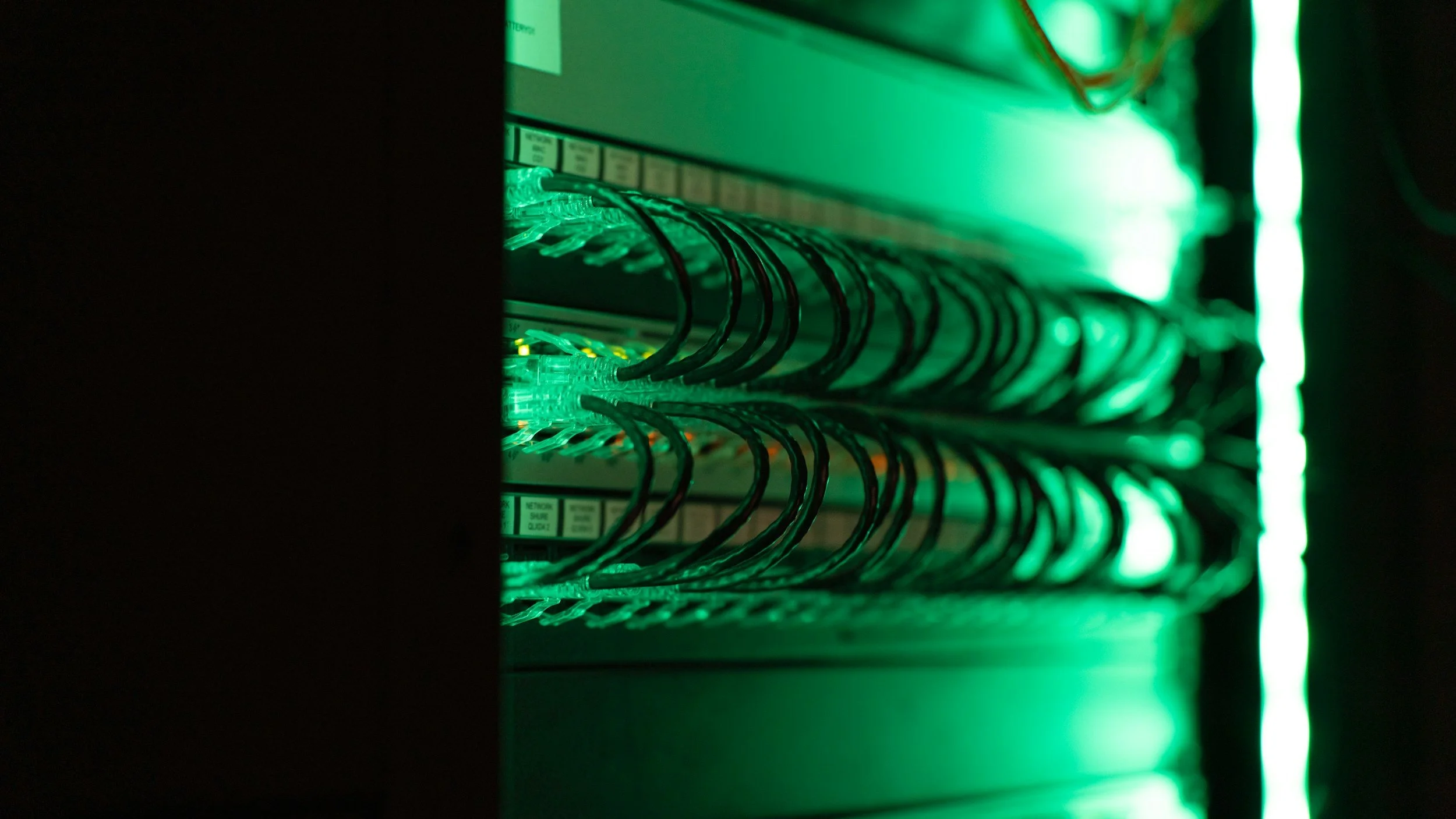
Iron Mountain is finishing MIA-1, a 150,000 square foot, 16-megawatt data center in the Westview section of Miami-Dade County, and industry tracking shows roughly 56 megawatts more in the local pipeline, enough to nearly double Miami's capacity. In May, regional news outlets reported that more AI data centers are planned for Miami-Dade and Palm Beach counties, often in the same industrial corridors that house warehouses and logistics operations.
Every one of those projects will have the same argument at the design table. Someone will say that data center fire suppression should be clean agent only, that a sprinkler system is a liability, that water and servers do not mix, and that a clean agent system makes sprinklers unnecessary. That argument is common, it is understandable, and under the standards South Florida enforces, it is mostly wrong.
This post explains what NFPA 75 actually requires, why sprinklers and clean agents are layers rather than alternatives, and what data center operators and the property managers who lease to them need to know about inspection and maintenance in Miami-Dade.
The Controversy: Why Data Center Operators Resist Sprinklers
The objection is not irrational. A data center's value is the equipment inside it and the uptime it delivers. Water discharged across a live server hall causes real damage, and operators have watched clean agent systems such as FM-200 or inert gas blends suppress a fire without wetting a single rack.
The fear is accidental discharge. A single sprinkler head activated by a maintenance error or a mechanical impact can flood a pod. Operators remember stories, some true, of sprinklers discharging without a fire.
The alternative looks cleaner. Gaseous suppression, water mist, and rack-level detection are marketed as replacements for sprinklers rather than supplements. Vendors have an incentive to frame it that way.
The counterargument is what a data center actually is. It is a building with people in it, filled with cable, plastic, batteries, backup generators, diesel, and electrical gear, often sitting in an industrial park next to other occupied buildings. The 2021 OVHcloud fire in Strasbourg, France, destroyed a facility and took an estimated 30,000 servers offline in a single night. Clean agent systems protect equipment from a small fire. They do not protect the structure, the neighbors, or the people inside from a large one.
What NFPA 75 Requires, and Where Sprinklers Fit
The governing document is NFPA 75, Standard for the Fire Protection of Information Technology Equipment, now in its 2024 edition. It sits alongside NFPA 13 for sprinkler design and NFPA 72 for detection, and it is written to protect both the equipment and the building.
NFPA 75 does not treat sprinklers as optional. The standard requires that if the surrounding building is sprinklered, the IT equipment room must be sprinklered as well. If the building is not sprinklered, the IT room still needs a suppression system, which may be gaseous or water mist. Industry summaries of the 2024 edition note that it requires fire sprinkler coverage of all contained aisle areas, a direct response to hot-aisle and cold-aisle containment designs that can shield a fire from ceiling sprinklers.
Under-floor protection is addressed separately. Where a raised floor plenum contains combustible material, which in practice means cabling, NFPA 75 requires either sprinkler or gaseous protection beneath the floor.
Performance-based design is allowed, but it is not an exemption. NFPA 75 permits an engineered alternative to its prescriptive requirements, but the alternative must demonstrate equivalent performance and must be accepted by the authority having jurisdiction. In Miami-Dade, that means the City of Miami Fire Prevention Bureau or Miami-Dade Fire Rescue reviews and approves it, not the operator.
Preaction is how the industry reconciles the two. Most enterprise data centers install double-interlock preaction sprinkler systems. Pipes stay dry until both a detector and a sprinkler head activate, which eliminates accidental discharge from a single failure. Clean agent handles the incipient fire in the rack; preaction sprinklers stand behind it for the fire that gets past the agent. The systems are layered, not competing, and Speedy's design and installation team approaches every mission-critical space that way.
Why Florida Law Puts Life Safety Ahead of Uptime
A data center in Miami-Dade is a commercial building first and a data center second, in the eyes of the code.
The Florida Fire Prevention Code applies NFPA 1 and NFPA 101 to every occupancy in the state, and the Life Safety Code, NFPA 101, is concerned with the people inside the building: the technicians, the security staff, the contractors on the floor at 2 a.m. Sprinklers are the code's primary tool for keeping a fire small enough for those people to get out. NFPA's 2024 research found the civilian death rate per 1,000 fires was 90 percent lower in sprinklered properties than in unsprinklered ones across all property types in the data. No clean agent system has a comparable life safety record, because clean agents are designed for equipment, not egress.
Florida enforces this with criminal penalties. Under Florida Statute 633.124, willfully rendering a required fire protection system inoperable is a first-degree misdemeanor. An operator who isolates the preaction system "to protect the servers" and leaves it isolated has done exactly that.
Data Center Sprinkler Systems Fail Inspections for Specific Reasons
Once installed, a data center's water-based systems fall under NFPA 25 like any other building, and preaction systems carry more ITM obligations than wet systems, not fewer.
Preaction valves require trip testing, and the 2026 edition of NFPA 25 adds annual internal inspections for all dry, preaction, and deluge valves.
Solenoid monitoring devices on preaction systems require quarterly testing under the 2026 edition.
Supervisory air pressure, low-point drains, and air compressors need routine checks, and a slow air leak is an early sign of pipe corrosion.
Nitrogen generators, common in data centers to slow internal corrosion, add their own maintenance items.
Detection that releases the preaction valve must be tested in coordination with the sprinkler contractor, which requires the fire alarm and sprinkler vendors to work together.
These items are frequently missed because data center operators manage the clean agent system carefully and treat the preaction system as backup. Miami-Dade's annual Life Safety Operating Permit inspection does not make that distinction.
How to Stay Ahead of Data Center Fire Protection Requirements in South Florida
First, resolve the sprinkler question at the AHJ, not the vendor. Before committing to a suppression design, confirm with Miami-Dade Fire Rescue or the municipal fire prevention bureau which NFPA 75 path they will accept. A performance-based design that the AHJ rejects at permit review is the most expensive way to learn the rules.
Second, design the preaction system for the ITM it will need. Accessible valve rooms, isolation for zone testing, and corrosion management from day one make the annual and five-year work cheaper and less disruptive to operations. Speedy's design and installation service builds those provisions into the drawings.
Third, put the preaction system on the same ITM calendar as the clean agent. Trip tests, solenoid tests, internal valve inspections, and detection interface tests belong on one schedule. A licensed inspection and testing program documents each item to the NFPA 25 edition Florida enforces.
Fourth, write impairment procedures before you need them. When the preaction system has to come offline for maintenance, NFPA 25 requires notification, a fire watch or equivalent, and a documented return to service. Operators who improvise those steps are the ones who end up with a system left isolated.
Uptime Is a Business Goal. Life Safety Is the Law
South Florida's data center pipeline is real, and every project will face pressure to treat sprinklers as a threat to equipment rather than a protection for people. NFPA 75 requires sprinklers wherever the surrounding building has them, NFPA 101 exists to get occupants out alive, and Florida enforces both under Chapter 633. Preaction sprinklers layered behind clean agent suppression is how well-designed facilities satisfy all three.
If you are developing, leasing, or operating a data center or mission-critical space in Miami-Dade, Broward, or Palm Beach, contact Speedy Fire Protection for design review or an inspection program under Florida license FPC25-000020.
Speedy Fire Protection is a Florida Licensed Fire Sprinkler Contractor (#FPC25-000020) serving Miami-Dade, Broward, Palm Beach, and surrounding South Florida counties. This article is for informational purposes only and does not constitute legal advice. Consult a licensed fire protection contractor and qualified legal counsel for guidance specific to your property.