Preaction Sprinkler Systems and Dry Pipe Systems Explained: How They Work, Why They Fail, and the 2026 NFPA 25 Changes for South Florida
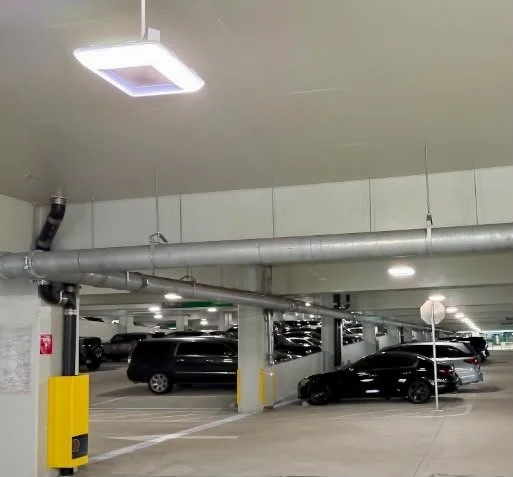
South Florida does not freeze, yet thousands of buildings across Miami-Dade run dry pipe and preaction sprinkler systems. Every open parking garage under a condominium tower, every cold storage warehouse near the airport, every data hall and records vault, and most loading docks exposed to weather use a system in which the pipes hold air instead of water until a fire is detected.
Those systems fail more often than wet systems, corrode faster, and carry more inspection items. The 2026 edition of NFPA 25 adds to that list, with annual internal valve inspections and quarterly solenoid tests that will reach Florida once the state adopts the new edition. Preaction sprinkler system and dry pipe inspection is about to get more demanding, and most owners of these buildings do not know their system is one of them.
This guide explains how dry and preaction systems work, why they fail, what NFPA 25 currently requires, and what changes with the 2026 edition.
Why South Florida Has So Many Dry and Preaction Systems Without a Freeze
The reason is not temperature. It is exposure and sensitivity.
Open parking garages. A garage open to the outside cannot hold conditioned air, and code allows dry systems where piping is subject to freezing. More relevant in Miami, open garages are also subject to sun, salt air, and vehicle impact, and a dry system that is damaged does not flood a garage full of cars. Under NFPA 13, many garages are designed as dry systems for these reasons.
Cold storage. Freezers and refrigerated warehouses tied to airport cargo and food distribution in Doral, Medley, and Hialeah require dry or preaction systems by necessity, since water in the pipe would freeze.
Water-sensitive occupancies. Data centers, telecommunications rooms, archives, museums, and electrical rooms use preaction systems so that a single damaged head does not discharge water. The system requires both a detector and a sprinkler to activate before water enters the pipe.
Exposed loading docks and canopies. Piping under exterior canopies is often dry to avoid corrosion and impact damage.
How These Systems Work and Why They Corrode Faster
A dry pipe system holds pressurized air in the piping. A dry pipe valve at the riser keeps water back. When a sprinkler opens, air escapes, pressure drops, the valve trips, and water fills the pipe. A preaction system adds a detection step: the valve is held closed electrically and opens only when a detector activates, so air loss alone does not release water. Double-interlock preaction requires both.
The wet-dry cycle drives corrosion. Every trip test fills the pipe with fresh, oxygenated water. Draining never removes it all. Residual water pools at low points, and the combination of water, oxygen, and steel produces corrosion far faster than in a wet system where oxygen is consumed and not replenished. Pinhole leaks at low points are the classic dry system failure.
Air leaks are the early warning. A compressor that runs more often than it used to means the pipe is leaking air somewhere, and a pipe that leaks air is usually corroding.
Delivery time is a design constraint. Water must reach the most remote sprinkler within a time limit after the valve trips. As pipe corrodes and narrows, delivery time increases, and a system that took 45 seconds when new may take 90 seconds today.
What NFPA 25 Requires Today for Dry and Preaction Systems
Under the NFPA 25 edition Florida currently enforces through the 8th Edition of the Florida Fire Prevention Code, dry and preaction systems carry these items beyond the wet system schedule:
Weekly gauge inspection on the system and the air supply, since air pressure loss is the first sign of a leak
Monthly inspection of the dry pipe valve enclosure and, where applicable, low-point drains
Quarterly testing of priming water level and low air pressure alarms
Annual partial trip test of the dry pipe valve, and a full trip test at least every three years with the control valve fully open to measure water delivery time
Annual testing of the preaction valve's detection and release
Internal inspection of the dry pipe valve at least every three years under the currently enforced editions
A five-year internal pipe assessment with dry-system-specific triggers for a full obstruction investigation, including a significant increase in delivery time
The Miami-Dade Fire Rescue sprinkler checklist includes dry pipe valve and air supply items, so gaps show up at the annual Life Safety Operating Permit inspection. Speedy's inspection and testing service schedules trip tests as coordinated impairments with the building, since a full trip floods the system and must be drained and reset.
What the 2026 Edition of NFPA 25 Changes
The 2026 edition, published this year, tightens several dry and preaction requirements. The National Fire Sprinkler Association's overview of the new edition highlights the following:
Annual internal inspection of all dry, preaction, and deluge valves. The interval moves from every three years to every year. This is the single largest workload change for South Florida garages and freezers.
Quarterly testing of solenoid monitoring devices on preaction and deluge systems, which affects data centers and other electrically released systems.
Revised obstruction investigation triggers in Chapter 14, including a delivery-time threshold for dry and preaction systems.
Consolidated waterflow alarm testing in Chapter 13.
Expanded impairment procedures, which matter for dry systems because every trip test is a planned impairment.
Florida has not adopted the 2026 edition. The Florida Fire Prevention Code, 8th Edition, references earlier editions, and the 9th Edition is in development with a target effective date at the end of 2026. Following the 2026 requirements now is not wrong and prepares the building for enforcement, but the AHJ can only cite the adopted edition. Under Florida Statute 633.124, violations of the adopted code are second-degree misdemeanors.
How to Stay Ahead of Dry and Preaction System Requirements in South Florida
First, identify every dry and preaction system in the building. Owners of towers with garages often do not realize the garage is on a separate dry system with its own valve, compressor, and schedule. Ask your contractor for a system list on the next report.
Second, log compressor run time. A compressor that cycles more frequently is telling you the pipe is leaking. Catching it early keeps the repair to a section of pipe instead of a full obstruction investigation.
Third, schedule the internal valve inspection annually starting now. The 2026 edition will require it, the cost is modest, and it catches valve seat corrosion and debris that cause false trips or failure to trip. Speedy's inspection and testing team has already moved dry and preaction clients to the annual interval.
Fourth, consider nitrogen supervision on systems that show corrosion. Replacing compressed air with nitrogen removes the oxygen that drives corrosion and can extend pipe life substantially. Speedy's preaction system repair team scopes nitrogen generators and corrosion-driven pipe replacement from the assessment findings.
Air in the Pipe Means More Work, Not Less
Dry and preaction systems protect the garages, freezers, and data halls that South Florida depends on, and they carry more inspection items, corrode faster, and fail more often than wet systems. The 2026 edition of NFPA 25 adds annual valve internals and quarterly solenoid tests. Florida will adopt those requirements in time, and the buildings that start now will not scramble when it does.
If your building in Miami-Dade, Broward, or Palm Beach has a parking garage, cold storage, or a water-sensitive space and you are not certain when the dry or preaction valve was last tripped and inspected, request a quote from Speedy Fire Protection. Our NICET Level III certified technicians inspect, test, and repair dry and preaction systems under Florida license FPC25-000020.
Speedy Fire Protection is a Florida Licensed Fire Sprinkler Contractor (#FPC25-000020) serving Miami-Dade, Broward, Palm Beach, and surrounding South Florida counties. This article is for informational purposes only and does not constitute legal advice. Consult a licensed fire protection contractor and qualified legal counsel for guidance specific to your property.