Fire Pump Flow Testing in South Florida: Annual NFPA 25, Not Just Churn
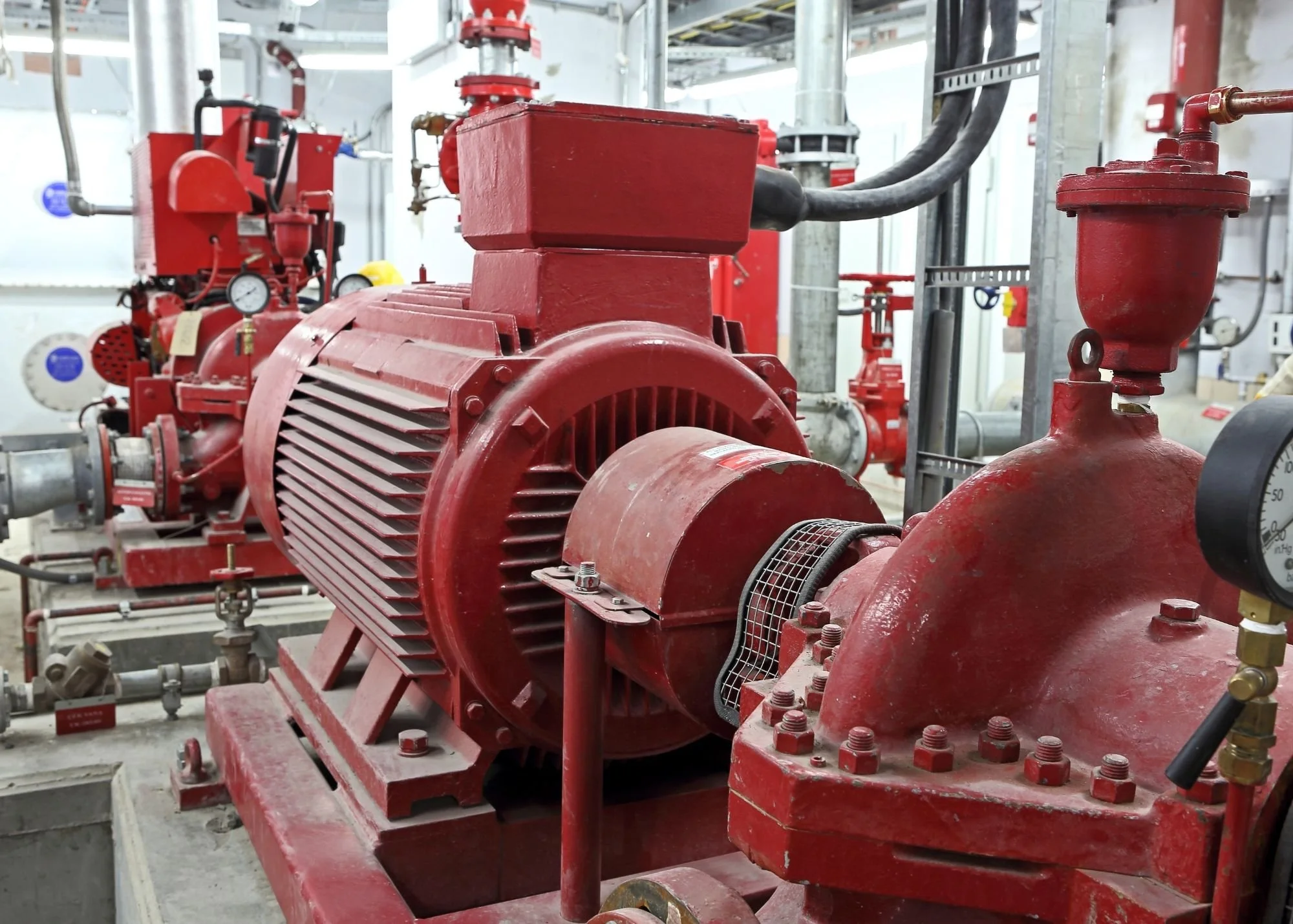
Quick Answer: Churn (no-flow) tests prove the pump starts. Annual flow tests prove it still makes rated pressure and volume. NFPA 25 sets weekly no-flow for diesel pumps, monthly no-flow for many electric pumps, and annual full-flow performance. Property managers of towers, hospitals, warehouses, and mixed-use sites should put the flow test on the same calendar as sprinkler ITM.
Churn is not the annual test
NFPA's fire pump churn article places ITM requirements in NFPA 25 and states that annual flow testing goes further than no-flow runs. NFPA's 2024 sprinkler ITM overview lists diesel no-flow weekly, electric no-flow monthly (weekly in some 8.3.1.2.1 cases), and annual full-flow pump performance, plus annual alignment, alarm signals, and related maintenance.
QRFS walks through the annual flow test method. Sprinkler Age states the minimum frequency for a fire pump flow test is annually.
If your log only shows weekly starts, the AHJ can still fail the pump program.
What a flow test looks like on site
The crew flows water through test headers or a flow device at multiple points on the pump curve (typically churn, rated, and peak). They record suction and discharge pressure, speed, and voltage/amperage on electric drivers. Results compare to the nameplate and prior years. A pump that starts every Monday can still miss rated flow after wear, closed valves, or a clogged suction path.
South Florida wet systems in condos, hotels, and coastal commercial buildings see mineral scale South Florida sites need a discharge plan: where the water goes, how you protect landscaping and traffic, and how long the courtyard or loading dock stays wet. Hotels and condos should notify residents. Hospitals need a tighter impairment window.
Speedy Fire Protection's fire pumps flow testing service is built for that site work.
Weekly and monthly still belong to the building
Diesel pumps: weekly no-flow. Electric pumps: monthly no-flow in many cases, weekly when NFPA 25 8.3.1.2.1 conditions apply. Someone on staff or a contracted tech must run those starts, log them, and flag unusual noise, packing leaks, or failure to peak. Annual flow does not replace that log.
NFPA also lists annual pump and driver alignment, shaft endplay, diesel fuel testing, batteries, oil and filters, and bearings. A flow-test-only vendor who never looks at the driver leaves you half-compliant.
Deficiencies, impairments, and occupancy
A failed flow test is an impairment conversation, not a footnote. You may need repair, a fire watch, or both until the pump meets the curve. Speedy Fire Protection can move into fire pump repair and restore documentation for the fire marshal.
Owners who want a planning number on larger fire protection spend can use the cost benchmark tool.
How PMs should schedule South Florida pumps
Confirm every building that has a pump (many mid-rises and almost all high-rises).
Put weekly/monthly churn on the engineer checklist.
Book annual flow at least 60 days before the anniversary and before hurricane season crowding.
Combine with annual sprinkler and backflow when water discharge and access overlap.
File the curve, electrical readings, and deficiency list with the NFPA 25 guide.
Conclusion
Annual fire pump flow testing is the NFPA 25 item that proves water at the roof, not just a motor that spins. Pair it with churn logs and close repairs fast. Speedy Fire Protection tests pumps for South Florida property managers who cannot afford a surprise at inspection.
Contact Speedy Fire Protection to schedule flow testing across Miami-Dade, Broward, Palm Beach, and surrounding counties.
Speedy Fire Protection is a Florida Licensed Fire Sprinkler Contractor (#FPC25-000020) serving Miami-Dade, Broward, Palm Beach, and surrounding South Florida counties. This article is for informational purposes only and does not constitute legal advice. Consult a licensed fire protection contractor and qualified legal counsel for guidance specific to your property.