5-Year Internal Piping Checks: What South Florida Buildings Must Open
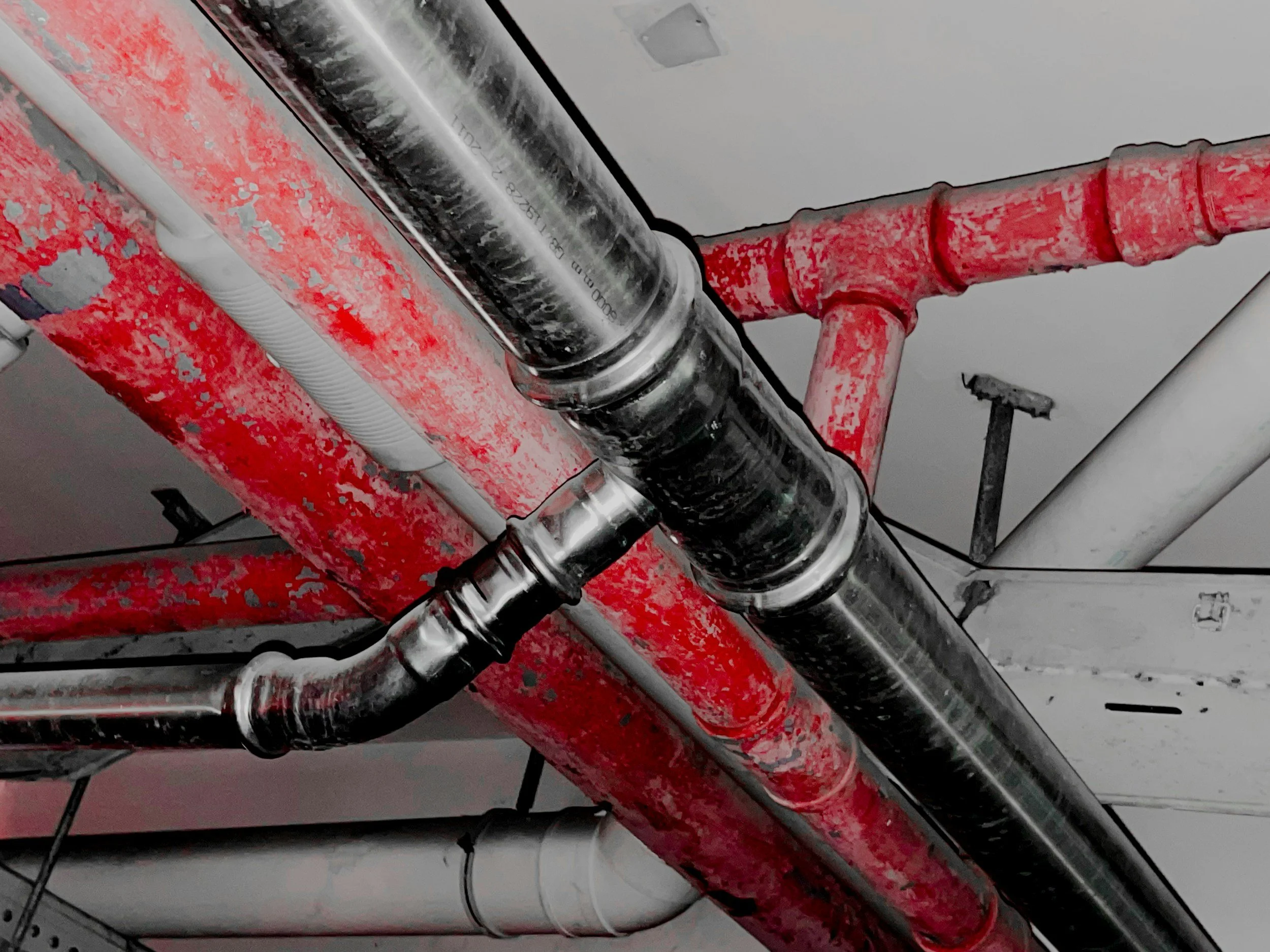
Quick Answer: NFPA 25 Chapter 14 calls for internal assessment of piping on a five-year cycle. That visit is not the same as an obstruction investigation. If the assessment finds organic growth, rust, or foreign material, the standard then requires a deeper investigation. Speedy Fire Protection plans access, isolation, and close-out so Miami-Dade and Broward sites are not surprised at year five.
Internal assessment vs obstruction investigation
The National Fire Sprinkler Association draws the line clearly. NFSA on Chapter 14 explains internal assessments and obstruction investigations as related but different tasks. NFSA's earlier internal-assessment article notes that obstruction investigation and internal inspection of piping used to live in separate sections; the five-year look is the scheduled opening of pipe, while investigation is the follow-up when you find a problem.
The Town of Brighton, NY, summarizing NFPA 25 (2017) Section 14.2.1, states that internal inspection of piping has a five-year frequency, and that obstruction investigation is a separate trigger (Brighton internal pipe inspections memo). Confirm the edition your South Florida AHJ uses; the split still holds.
NFSA on pipe obstructions flags the 5-year internal inspection of pipe (14.2) as the proactive check that keeps water moving during a fire.
What technicians actually open
A typical five-year internal look includes accessible fittings, flushing connections, and selected points so the crew can see the interior condition. Ryan Fireprotection describes obstruction investigation as the more thorough step if material turns up during that internal inspection. ECS Corrosion notes that significant buildup or rust leads to a more comprehensive obstruction investigation.
South Florida wet systems in condos, hotels, and coastal commercial buildings see mineral scale and, in some sites, microbiologically influenced corrosion. Dry and pre-action systems collect different debris. The five-year visit is how you catch that before a head plugs in a fire.
How PMs should budget the year
Five-year work is louder and longer than a quarterly tag. You need:
● Access to ceilings or shafts at sample points.
● Isolation and drain-down of the zone.
● Possible extra investigation if the interior is dirty.
● Repair or flush if the investigation confirms obstruction.
● Restored service and a written report for the AHJ and insurer.
Pair it with annual sprinkler inspection when the dates line up. Speedy Fire Protection's 5-year testing page is the money page for that scope.
Do not wait until an inspector asks for the last internal date and you cannot find it. If the building changed vendors, reconstruct the date from old reports or treat the system as due.
AHJ and insurance angle
Fire marshals in Miami-Dade Fire Rescue and city fire prevention offices expect the five-year item on the ITM record, not only annual hangers-from-the-floor notes. Carriers and lenders ask the same question at refinance or sale. A missing 5-year is a deficiency even if every quarterly waterflow passed.
Keep photos of opened fittings, a description of findings (clean, scale, MIC, foreign material), and any obstruction-investigation follow-up in the same folder as inspection reports.
After you find material
Investigation is not optional once the interior shows a problem. Flushing, piping replacement, or treatment depends on what the crew finds. Speedy Fire Protection can move from assessment to repair without a second bid cycle that leaves the system impaired.
For a cost sense on larger fire protection work, owners can use the free cost benchmark. Typical commercial clients see fire protection budget reductions in a roughly 10-30 percent range when scope is right-sized; that is not a guarantee.
Conclusion
The five-year internal piping check is the NFPA 25 item quarterly walks cannot replace. Treat assessment and obstruction investigation as two steps. Book Speedy Fire Protection before the anniversary so Miami-Dade, Broward, and Palm Beach properties stay AHJ-ready. Request 5-year testing.
Call Speedy Fire Protection at 305-559-6880 to schedule service across Miami-Dade, Broward, and Palm Beach.
Speedy Fire Protection is a Florida Licensed Fire Sprinkler Contractor (#FPC25-000020) serving Miami-Dade, Broward, Palm Beach, and surrounding South Florida counties. This article is for informational purposes only and does not constitute legal advice. Consult a licensed fire protection contractor and qualified legal counsel for guidance specific to your property.