The History of Fire Sprinklers: From a Piano Factory in 1874 to the Systems Protecting Miami-Dade High-Rises Today
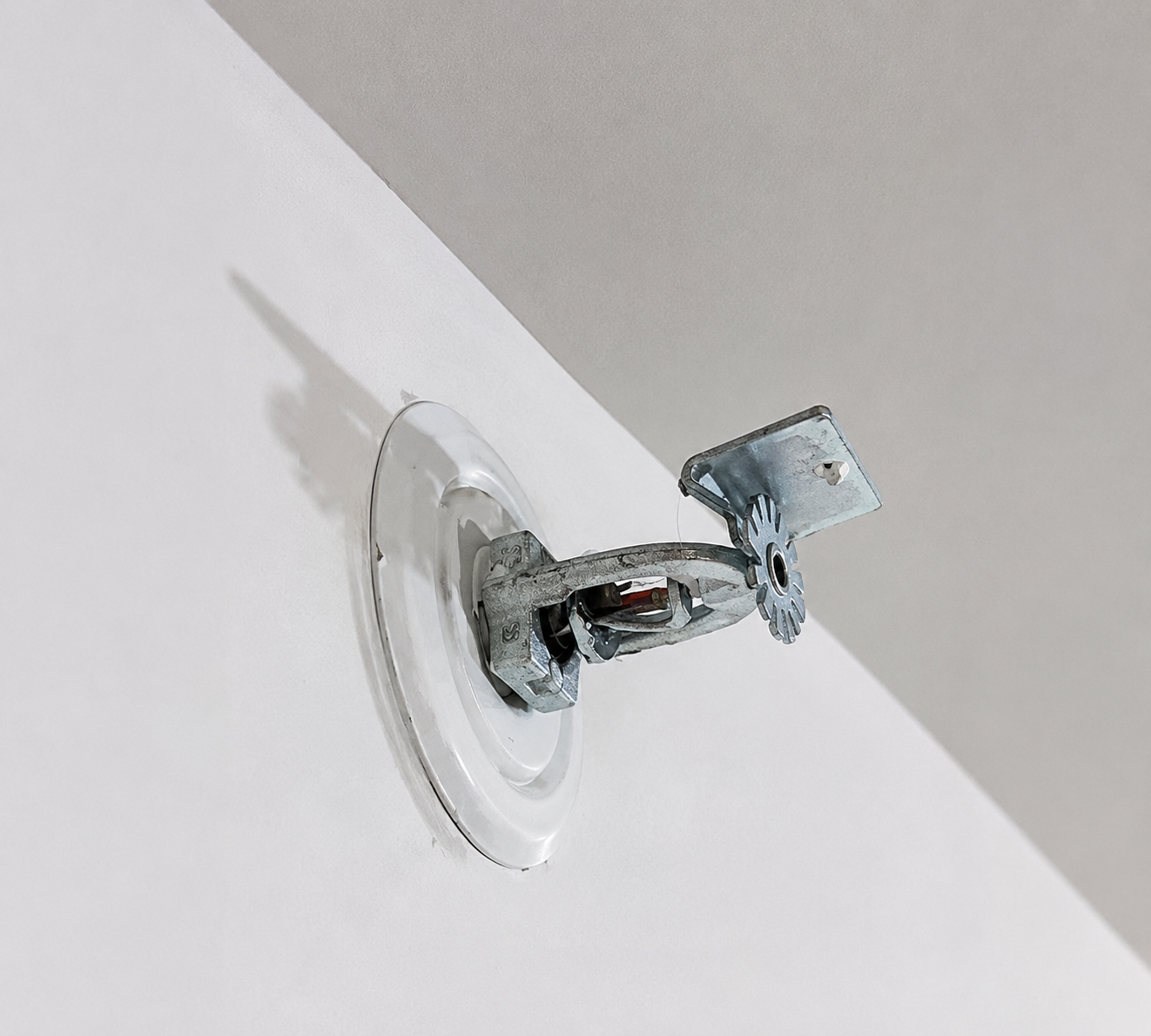
In 1874, a piano maker in New Haven, Connecticut patented a device to keep his factory from burning down. He was not trying to save lives. He was trying to save pianos. That device became the first practical automatic fire sprinkler, and it is the direct ancestor of every sprinkler head hanging from a ceiling in Miami-Dade County today.
The history of fire sprinklers matters to a South Florida property manager for one practical reason. Almost every rule you are held to, from the annual inspection to the five-year internal pipe assessment, was written in response to a specific failure somewhere in this timeline. Understanding where the rules came from makes it much easier to understand why an inspector will not let them slide.
This post traces that history from the first sprinkler patents through the creation of the standards that now govern installation and maintenance in Florida, and then explains what it means for the building you are responsible for.
The First Sprinklers Were Built to Protect Property, Not People
Early attempts came before automation. The idea of putting water pipes in a ceiling predates the automatic sprinkler by decades. According to a historical presentation on sprinkler development prepared for Pennsylvania code officials, early systems in the 1700s and early 1800s relied on gunpowder charges or manually operated perforated pipes. They worked only if someone was there to trigger them.
Henry Parmelee changed that in 1874. Parmelee, the New Haven piano manufacturer, invented what is widely considered the first practical automatic sprinkler head. His design used a solder cap that melted in heat, releasing water without any human action. The National Fire Sprinkler Association credits Parmelee's patent as the starting point for the modern industry.
Frederick Grinnell made it reliable. In 1881, Grinnell of the Providence Steam and Gas Pipe Company patented a more sensitive sprinkler with a smaller orifice, less mass, and a toothed deflector. His improvements are the reason the insurance industry began to trust sprinklers, and the reason his name is still on products more than a century later.
Insurance Companies Forced the First Rules, and That Created NFPA
By the 1890s, sprinklers were being installed widely in New England mills. The problem was that nobody agreed on how. NFPA's own account states that nine different installation standards were in use within a 100-mile radius of Boston, which made the systems unpredictable for insurers and a nightmare for the plumbers who serviced them.
In 1895 and 1896, insurance executives and Grinnell himself met in New York to write a single uniform standard. That document, the "Report of Committee on Automatic Sprinkler Protection," became NFPA 13. The same meetings founded the National Fire Protection Association itself, with sprinkler rules as its first standard.
The point worth remembering: the first sprinkler standard was written by the people who would have to pay claims if the systems failed. That property-protection DNA still shapes how NFPA 13 is written today, and our NFPA 13 installation guide for Florida walks through the current edition.
Life Safety Became the Mission After the Fires of the Twentieth Century
For the first half of the 1900s, sprinklers remained largely a factory and warehouse technology. Offices, hotels, and apartment buildings were rarely protected. A series of deadly fires changed that. High-rise and hotel fires in the 1970s and 1980s pushed model codes to require sprinklers in occupancies where people sleep, gather, or cannot easily escape.
The data that accumulated over those decades is now the strongest argument for the technology. NFPA's most recent sprinkler research, published in 2024, found that the civilian death rate per 1,000 reported fires was 90 percent lower in properties with sprinklers than in properties without them, across all property types in the data. In home structure fires specifically, the reduction was 89 percent.
Those two figures come from different data cuts and should not be blended. But both point the same direction. Once codes began treating sprinklers as life safety equipment rather than property insurance, the Life Safety Code, NFPA 101, became the vehicle that pushed sprinklers into the building types that dominate South Florida: residential high-rises, hotels, hospitals, and assembly occupancies.
Florida Wrote Its Own Chapter, and Miami-Dade Enforces It
Florida adopts its fire code at three-year intervals through the State Fire Marshal. The current Florida Fire Prevention Code, 8th Edition (2023), incorporates Florida-specific versions of NFPA 1 and NFPA 101, and the 9th Edition is in development. Within that framework, Florida has some of the strictest sprinkler requirements in the country for existing buildings, including the retrofit obligation for older high-rise condominiums, with installation required to be complete by January 1, 2027. Our Florida high-rise retrofit compliance guide covers those deadlines in detail.
Miami-Dade adds a local layer. Every commercial and multi-family building in unincorporated Miami-Dade must obtain an annual Life Safety Operating Permit from Miami-Dade Fire Rescue, and inspectors use a published fire sprinkler checklist during those visits. Florida law also requires that anyone who installs, repairs, or inspects a sprinkler system hold a state contractor certificate; under Florida Statute 633.336, working without one is a second-degree misdemeanor and can carry an administrative fine.
That is a long way from a piano factory in 1874. The system in your building is the product of 150 years of failures, lawsuits, insurance losses, and rewrites, and each of those layers is still enforced.
The Newest Chapter Is About Keeping Old Systems Working
The last major turn in sprinkler history is the least visible one. By the late 1980s, the industry realized that installed sprinklers were failing in fires for reasons that had nothing to do with design: closed valves, corroded pipe, painted heads, and disconnected water supplies. In 1992, NFPA published NFPA 25, the Standard for the Inspection, Testing, and Maintenance of Water-Based Fire Protection Systems, and the focus shifted from building systems to maintaining them.
That is the era we are still in. A sprinkler system installed in a Doral warehouse in 1985 or a Brickell tower in 2005 is judged today not by how it was built but by whether it was inspected, tested, and maintained on the schedule NFPA 25 requires. Speedy Fire Protection's inspection and testing service exists because of that shift, and our technicians are certified at NICET Level III in Inspection and Testing of Water-Based Systems, the credential built specifically for this work.
How to Stay Ahead of a Century and a Half of Rules
First, find out when your system was installed and which edition it was designed to. The installation date determines when sprinkler heads reach their mandatory sample-testing age and which NFPA 13 edition governs any modification. If you do not have the original drawings, ask your contractor to locate the hydraulic nameplate on the riser.
Second, confirm you are on a current inspection schedule. NFPA 25 requires activities ranging from weekly to every five years. If you cannot produce a report from the last twelve months, you are already behind. A licensed inspection and testing visit resets that clock and documents your compliance for Miami-Dade Fire Rescue.
Third, verify your contractor's license before they touch the system. Florida's State Fire Marshal licensing page lets you check any contractor's certificate. Speedy's is FPC25-000020.
Fourth, treat the history as a warning, not trivia. Every requirement on today's checklist was paid for by a fire somewhere. The systems that failed were almost never badly designed. They were neglected.
The Technology Is Proven. The Maintenance Is on You
Sprinklers have been protecting American buildings since 1874, and the NFPA data showing a 90 percent lower death rate in sprinklered properties is the culmination of that history. What has not changed is the failure mode. Systems that are ignored eventually stop working, which is why NFPA 25 exists and why Miami-Dade requires an annual permit inspection.
If you manage a building in Miami-Dade, Broward, or Palm Beach and are not certain when your system was last inspected, request a quote from Speedy Fire Protection. Our team has served South Florida since 2005, and you can learn more about the people behind the license on our About page.
Speedy Fire Protection is a Florida Licensed Fire Sprinkler Contractor (#FPC25-000020) serving Miami-Dade, Broward, Palm Beach, and surrounding South Florida counties. This article is for informational purposes only and does not constitute legal advice. Consult a licensed fire protection contractor and qualified legal counsel for guidance specific to your property.