What Is NFPA 25? The History of the Sprinkler Inspection Standard, From 1992 to the 2026 Edition
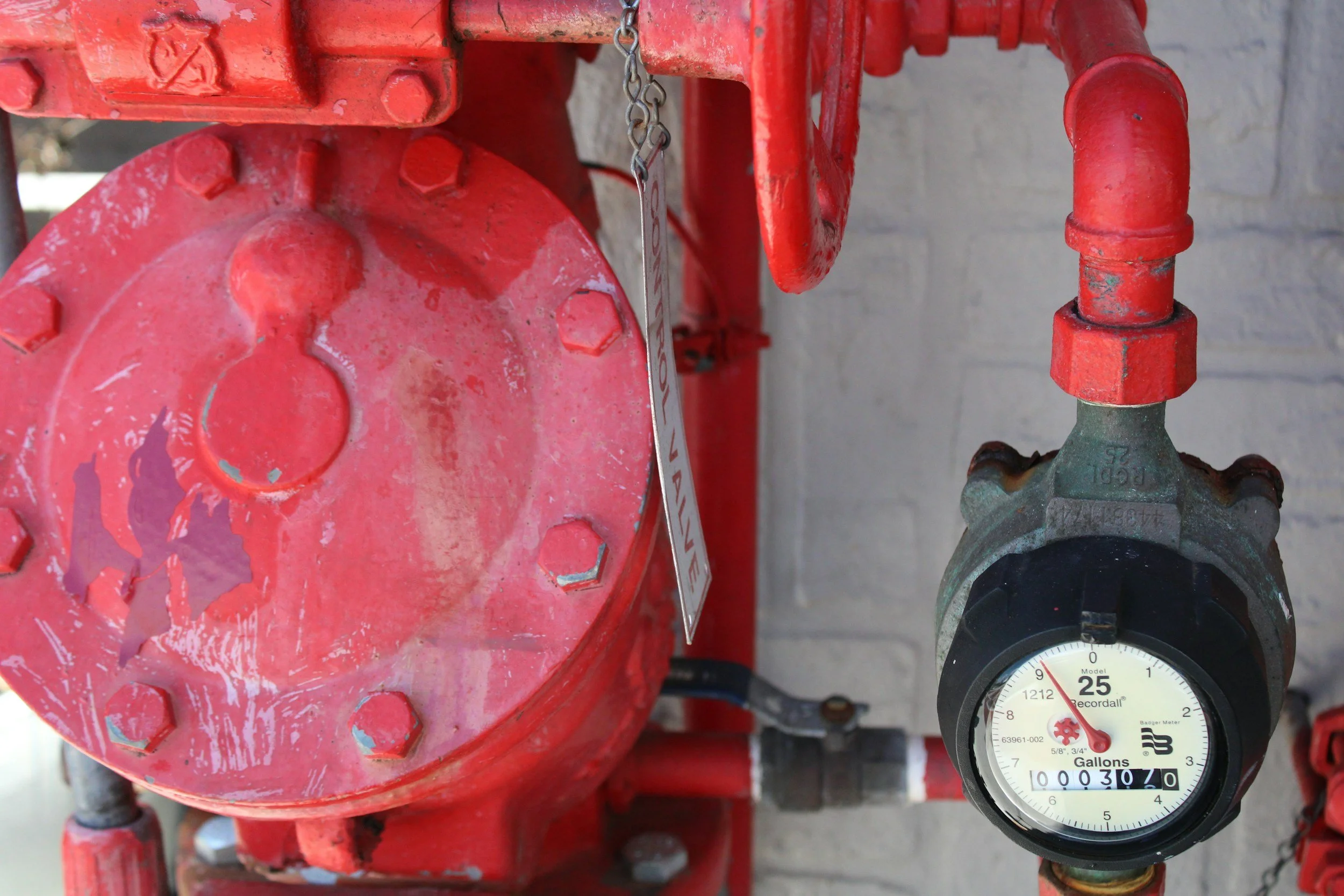
For almost a century after NFPA 13 was written, the fire protection industry had a blind spot. Codes said in exhaustive detail how to install a sprinkler system. They said almost nothing about what to do with it afterward. A building could be sprinklered on the day it opened and effectively unprotected ten years later, with nobody having broken a rule.
That gap closed in 1992 with the first edition of NFPA 25. If you manage a commercial building in Miami-Dade County, NFPA 25 is the standard your annual inspection report is written against, the reason your contractor asks about a five-year internal pipe assessment, and the document Miami-Dade Fire Rescue references when it reviews your Life Safety Operating Permit. It is now in its 2026 edition. Our NFPA 25 compliance guide for Florida property managers covers the current requirements in detail; this post covers where they came from.
This post explains why the history of NFPA 25 matters, what the standard was created to fix, and how its most recent edition affects buildings in South Florida.
Sprinklers Were Failing in Fires, and the Reasons Were Not Design Flaws
By the 1980s, fire investigators had accumulated enough data to see a pattern. When sprinklered buildings burned badly, the sprinklers had usually been in place. They simply had not worked, and the reasons were almost always maintenance failures rather than engineering failures.
Closed valves led the list. The single largest cause of sprinkler failure was, and still is, a control valve that had been shut for maintenance or by accident and never reopened. NFPA's 2024 sprinkler research found that when sprinklers failed to operate, the leading reason was that the system had been shut off.
Corrosion, obstruction, and neglect filled the rest. Pipes filled with scale and sediment. Heads were painted over during renovations. Dry pipe valves froze or seized. Fire pumps sat unexercised for years until the day they were needed. None of these problems could be fixed by writing a better installation standard.
NFPA 13A was the first attempt. Before 1992, NFPA published a recommended practice, NFPA 13A, covering inspection and maintenance. As a recommended practice it carried no mandatory language and was rarely adopted into law. The National Fire Sprinkler Association notes that requirements like the internal pipe assessment trace back to 13A, but enforcement only became possible when the content was converted into a standard.
1992: NFPA 25 Turns Maintenance Into an Enforceable Standard
The first edition of NFPA 25, the Standard for the Inspection, Testing, and Maintenance of Water-Based Fire Protection Systems, was published in 1992. According to NFSA, it has been revised on a three-year cycle ever since to incorporate new research and industry experience.
The structural innovation was the frequency table. NFPA 25 organized every component of a water-based system, from gauges to fire pumps to backflow preventers, into a schedule of required activities: weekly, monthly, quarterly, annual, five-year, and longer. Each activity was classified as an inspection (a visual check), a test (a functional verification), or maintenance (work to keep the component operating).
Owner responsibility was written in explicitly. Chapter 4 of the standard placed the obligation for ITM squarely on the property owner or designated representative, not the contractor. That assignment has survived every edition and is the reason a building owner in Miami-Dade cannot defend a failed inspection by pointing at a vendor.
Automated testing arrived in 2017. The 2017 edition permitted automated inspection and testing for the first time, opening the door to remote monitoring of gauges, valves, and flow devices. Later editions expanded it.
Which Edition of NFPA 25 Miami-Dade Actually Enforces
The 2026 edition of NFPA 25 has been published. But the edition enforceable in your building is the one referenced by the Florida Fire Prevention Code, and that lags behind.
The Florida Fire Prevention Code, 8th Edition (2023), adopts the 2021 editions of NFPA 1 and NFPA 101 with Florida amendments. NFPA 1 (2021) references the 2020 edition of NFPA 25, which means the 2020 edition is generally the enforceable baseline in Florida until the 9th Edition of the state code takes effect. The State Fire Marshal's 9th Edition development plan is underway, and local AHJs including Miami-Dade Fire Rescue can adopt stricter local amendments.
Why this matters in practice. A contractor performing your annual inspection should state on the report which NFPA 25 edition it was performed to. If a newer edition adds a requirement, following it is rarely wrong, but the AHJ can only cite you for the adopted one. Speedy Fire Protection performs inspection and testing to the adopted edition and flags upcoming changes so owners can budget ahead of enforcement.
What the 2026 Edition Changes for South Florida Buildings
Even though it is not yet adopted in Florida, the 2026 edition signals where enforcement is heading. NFSA's overview of the key updates highlights several changes that will affect Miami-Dade owners once the state adopts it.
Annual internal inspections for all dry pipe, preaction, and deluge valves, which affects parking garages, cold storage, and data centers in South Florida.
Quarterly testing of solenoid monitoring devices on preaction and deluge systems.
A new requirement that sprinklers installed in dwelling units for 50 years be replaced with fast-response sprinklers or sample-tested for thermal sensitivity, which will reach older residential high-rises in Miami Beach and Coral Gables.
Expanded impairment handling, including clearer notification procedures when a system is out of service.
Tightened language on who counts as "qualified" to perform ITM work.
None of these changes is radical. Each closes a gap that inspectors have been finding in real buildings, which is exactly how the standard has evolved since 1992.
How to Stay Ahead of NFPA 25 in Your Building
First, get a complete ITM report from the last twelve months. If you cannot produce one, schedule a full inspection and testing visit. The report should list every component, the NFPA 25 edition used, and every deficiency found.
Second, close out deficiencies with documented repairs. An inspection report that lists open deficiencies year after year is evidence of neglect, not compliance. Speedy's service and repair team corrects what inspection finds and documents the return to service.
Third, calendar the long-interval items. Five-year internal pipe assessments, backflow tests, and sprinkler head sample testing are missed most often because they fall outside the annual cycle. Put them on a multi-year schedule now.
Fourth, verify the credentials of whoever performs the work. NFPA 25 requires qualified personnel, and the 2026 edition tightens that definition. Ask for the contractor's Florida FPC certificate number and the technician's NICET certification in Inspection and Testing of Water-Based Systems.
NFPA 25 Exists Because Installed Is Not the Same as Working
The 1992 creation of NFPA 25 was an admission by the fire protection industry that decades of careful installation standards had not prevented sprinkler failures in real fires. Thirty-four years and twelve editions later, the standard is the reason Miami-Dade inspectors ask for your ITM records and the reason a closed valve can cost you a permit.
If your building in Miami-Dade, Broward, or Palm Beach does not have a current NFPA 25 report, request a quote from Speedy Fire Protection. Our inspections are performed under Florida license FPC25-000020 by NICET Level III certified staff.
Speedy Fire Protection is a Florida Licensed Fire Sprinkler Contractor (#FPC25-000020) serving Miami-Dade, Broward, Palm Beach, and surrounding South Florida counties. This article is for informational purposes only and does not constitute legal advice. Consult a licensed fire protection contractor and qualified legal counsel for guidance specific to your property.