Backflow Preventer Testing for Fire Sprinkler Systems: The Annual and Five-Year Tests South Florida Owners Overlook
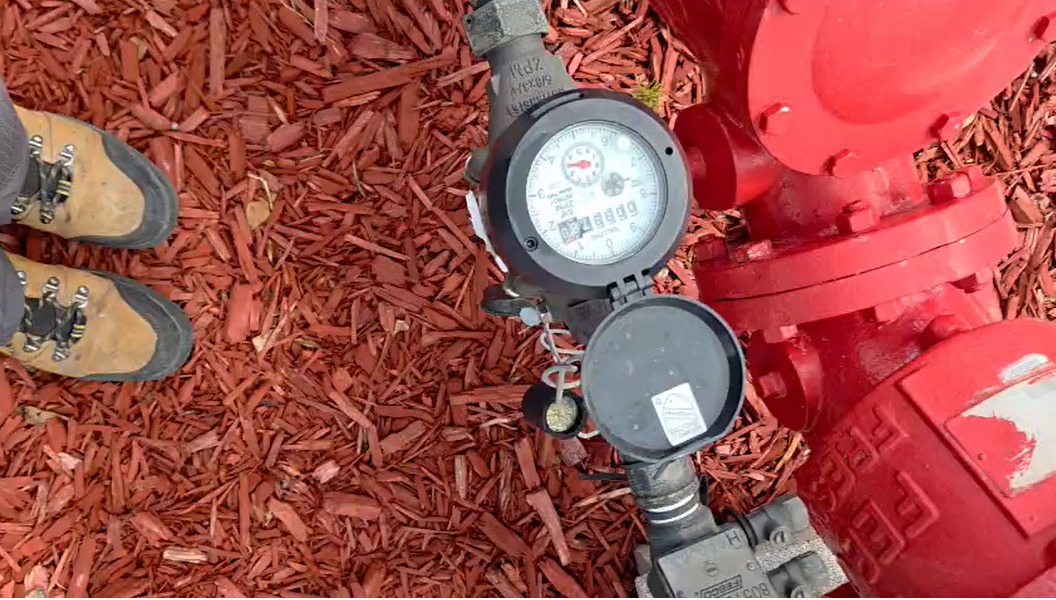
A property manager in Doral receives a letter from Miami-Dade Water and Sewer stating that the backflow prevention assembly on the building's fire line is overdue for its annual test. She forwards it to the plumber who tests the domestic backflow every year. The plumber tests the fire line device, files the report, and the letter stops. Eight months later, the annual fire sprinkler inspection finds that the same device has never had an NFPA 25 forward flow test, that its detector meter shows unexplained water use, and that nobody knew there were two different tests on the same piece of equipment.
Backflow preventer testing on a fire sprinkler system sits at the intersection of two regulatory programs that do not talk to each other. The water utility cares about protecting the public water supply from contamination. The fire code cares about whether the device lets enough water through to fight a fire. Both require testing, on different schedules, and both cite the owner when it is missed.
This guide explains what a fire line backflow preventer does, the two tests it must pass, who may perform each, and why the overlap causes so many South Florida buildings to fall out of compliance without knowing it.
What a Fire Line Backflow Preventer Does and Why It Is Different
A backflow preventer is a mechanical assembly of check valves and, in some designs, a relief valve, installed where a building's water service connects to the public main. It allows water to flow into the building and prevents it from flowing back out.
Why fire lines need one. Sprinkler pipe holds stagnant water for years. Systems with fire pumps can generate pressure higher than the public main. Antifreeze and foam systems introduce chemicals. Any of these can push contaminated water back into the public supply if pressure drops in the main. The Miami-Dade Water and Sewer Department's Cross-Connection Control program exists to prevent exactly that.
Why fire backflows are different from domestic ones. A domestic backflow preventer protects a relatively small, continuously flowing supply. A fire line backflow preventer must pass the full fire flow demand of the sprinkler system, sometimes thousands of gallons per minute, with minimal pressure loss. Fire line assemblies are larger, are often double check detector assemblies (DCDA) or reduced pressure detector assemblies (RPDA) with a small bypass meter to detect leaks or theft, and their failure modes directly affect fire protection. Our earlier post on fire versus domestic backflow preventers in Miami-Dade covers the distinction in more detail.
Test One: The Annual Cross-Connection Control Test for the Water Utility
Miami-Dade Water and Sewer states that because a backflow preventer is a mechanical device with springs and rubber seating surfaces that wear, it must be tested upon installation and every year to ensure the assembly is working properly. The requirement is implemented through the Miami-Dade County Code's cross-connection control article, which carries out Florida Department of Environmental Protection rules for public water systems.
What the test measures. A certified tester attaches a differential pressure gauge and verifies that each check valve holds, that the relief valve (on RP-type assemblies) opens at the correct differential, and that shutoff valves seal. The test confirms the device prevents backflow. It does not confirm the device passes fire flow.
Who may perform it. Testers certified under the county's program, which draws on Florida DEP certification. The county publishes a list of companies with certified testers and notes that it does not endorse any of them. Results are filed with WASD through its online portal.
Consequence of missing it. WASD issues notices, and the county code provides for civil penalties for failure to install or maintain required assemblies. Municipal utilities in Broward and Palm Beach run their own programs with similar structures.
Test Two: The NFPA 25 Forward Flow and Five-Year Performance Tests
The fire code asks a different question: when the sprinklers open, will enough water get through the backflow preventer?
NFPA 25 requires the following for backflow prevention assemblies on fire protection systems:
Annual forward flow test. Water is flowed through the assembly at the system demand, including hose stream allowance where applicable, to confirm the device passes the required flow. On smaller systems this can be done through the main drain or a test connection; on larger systems it requires a dedicated test header or hydrant flow.
Annual internal inspection of the check valves where the AHJ requires it, to confirm the valves move freely and seats are intact.
Five-year full performance test, an internal inspection and the full test of all check valves and relief valve, coordinated with the utility's requirements.
Quarterly and annual inspection of the assembly's exterior, isolation valves, and detector meter reading.
This is fire protection work. Under Florida Statute 633.336, inspecting or testing a component of a fire protection system requires a Fire Protection Contractor certificate from the State Fire Marshal. A plumber's cross-connection certification does not cover the NFPA 25 forward flow test, and a sprinkler contractor who is not also a certified backflow tester cannot file the utility report. Speedy holds both, performs fire backflow preventer testing under Florida license FPC25-000020, and files with WASD.
Consequence of missing it. The Miami-Dade Life Safety Operating Permit inspection reviews NFPA 25 records, and an assembly with a utility test but no forward flow test is an open item. Under Florida Statute 633.124, a fire code violation is a second-degree misdemeanor.
Why the Overlap Produces So Many Noncompliant Buildings in South Florida
Two programs, two vendors, one device. The plumber tests for the utility. The sprinkler contractor may or may not include the backflow in the annual visit. Neither vendor is responsible for the other's test, and the owner assumes one covers both.
The detector meter tells a story nobody reads. The small bypass meter on a DCDA or RPDA should show essentially no consumption. Movement indicates a leak in the sprinkler system downstream, water theft, or a check valve problem. Utility testers record the reading; few explain it.
Fire line assemblies degrade differently. A fire backflow sits in stagnant water for years and is exercised only during testing. Check valve springs corrode, seats scale, and a device that passes the utility's differential pressure test can still restrict flow enough to matter in a fire.
Location. Many fire line assemblies in Miami-Dade are in exterior enclosures or vaults subject to vehicle damage, vegetation, and vandalism, and the isolation valves on either side are among the control valves that get closed and forgotten.
How to Stay Ahead of Backflow Preventer Testing on Your Fire System
First, identify every backflow assembly on the property and which line it serves. Buildings frequently have a domestic assembly, a fire line assembly, and an irrigation assembly. Each has its own testing obligation. Record serial numbers and locations.
Second, use one vendor for both tests on the fire line. A fire protection contractor who is also a certified backflow tester can perform the utility test and the NFPA 25 forward flow test in one visit and file both reports. Speedy's backflow testing service does exactly that.
Third, read the detector meter every month. If the reading moves without a test or a fire, call your contractor. It is the earliest warning of a sprinkler leak you will get.
Fourth, calendar the five-year full performance test. It is the item most often missing from South Florida records, and a failed assembly at five years is a repair or replacement through Speedy's service and repair team rather than a finding.
One Device, Two Tests, One Responsible Owner
A backflow preventer on a fire sprinkler line must pass Miami-Dade Water and Sewer's annual cross-connection test and NFPA 25's annual forward flow and five-year performance tests. Different programs, different testers, different questions, same device, and the owner is responsible for both. The buildings that fall out of compliance are almost always the ones that assumed one test covered everything.
If your building in Miami-Dade, Broward, or Palm Beach has a fire line backflow preventer and you cannot produce both the utility report and the NFPA 25 forward flow record for the last year, request a quote from Speedy Fire Protection. Our certified team tests, repairs, and files under Florida license FPC25-000020.
Speedy Fire Protection is a Florida Licensed Fire Sprinkler Contractor (#FPC25-000020) serving Miami-Dade, Broward, Palm Beach, and surrounding South Florida counties. This article is for informational purposes only and does not constitute legal advice. Consult a licensed fire protection contractor and qualified legal counsel for guidance specific to your property.